Serving Fort Worth, Dallas & surrounding areas 24/7 Emergency Response

Tree Tips

Tree Tips

Why Homeowners Choose Professional Tree Trimming Over DIY

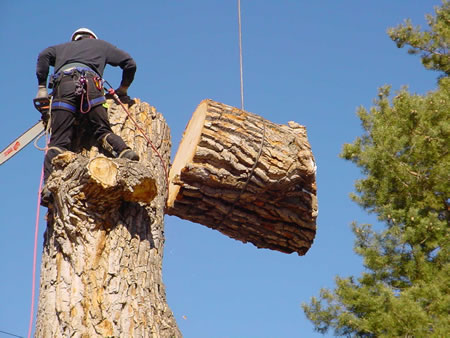
Trees are one of the most valuable features of any residential landscape. They provide shade during warmer months, improve curb appeal, increase property value, and contribute to a healthier outdoor environment. However, trees also require regular maintenance to remain healthy, structurally sound, and safe. When branches become overgrown or damaged, many homeowners consider trimming them on their own to save time or money. While trimming a few small branches may seem simple, caring for mature trees often involves much more than making a few cuts. Without the proper knowledge, equipment, and techniques, do it yourself tree trimming can damage the tree, create safety hazards, and lead to costly repairs. Maintaining healthy trees requires experience and careful planning. The professionals at Ace Tree Service help Fort Worth & Dallas property owners preserve the beauty and safety of their landscapes through expert tree care that prioritizes long term tree health. Tree Trimming Requires More Than Cutting Branches Many people assume tree trimming simply involves removing branches that appear too long or unattractive. In reality, every cut affects the tree’s future growth, structural stability, and overall health. Professional arborists understand how different tree species respond to pruning, which branches should be removed, and how trimming at the wrong location or time can create unnecessary stress. Before any branch is cut, several factors are carefully evaluated, including the tree’s condition, branch structure, surrounding environment, and long term growth pattern. Every Tree Has Different Growth Characteristics No two trees grow exactly alike. Species, age, soil conditions, previous storm damage, and overall health all influence how a tree should be maintained. A trimming method that works well for one tree may not be appropriate for another. Professionals evaluate these differences before beginning work, helping each tree receive the care it actually needs instead of applying the same approach to every property. Proper Timing Matters Tree trimming is not only about how branches are removed but also when they are removed. Certain species respond best during dormant seasons, while others benefit from trimming after active growth has slowed. Performing major pruning at the wrong time can increase stress, encourage disease, or reduce healthy new growth. Experienced tree care professionals understand seasonal growth cycles and recommend trimming schedules that support healthier trees throughout the year. Every Cut Influences Future Growth Improper cuts can leave wounds that take much longer to heal. Removing too much of the canopy, cutting branches too close to the trunk, or leaving long stubs behind may interfere with the tree’s natural recovery process. Choosing professional tree trimming helps ensure every cut supports healthy branch development while preserving the tree’s natural shape and strength. Safety Is One Of The Biggest Reasons Homeowners Hire Professionals Tree trimming often involves much more than standing on a ladder with a saw. Larger trees present significant risks that many property owners underestimate until they begin the work. Working near elevated branches, unstable limbs, power lines, roofs, fences, and neighboring properties requires careful planning and specialized equipment. Attempting these tasks without proper training can place both people and property at unnecessary risk. Falling Branches Can Cause Serious Damage Even branches that appear small can weigh hundreds of pounds. Without understanding how branches shift as they are cut, homeowners may unintentionally allow limbs to fall onto: Professional crews use controlled cutting techniques that minimize these risks. Working At Heights Increases The Danger Many tree trimming projects require climbing ladders or working high above the ground. Uneven terrain, slippery surfaces, and unexpected branch movement significantly increase the chances of falls. Professional tree care companies use equipment specifically designed for elevated work while following established safety procedures throughout every project. Power Lines Require Specialized Training One of the greatest hazards during tree trimming involves branches growing near electrical lines. Attempting to trim these trees without proper knowledge can result in severe injury and property damage. Professionals recognize hazardous situations and follow industry safety practices to complete the work responsibly. Professional Tree Trimming Protects Tree Health Healthy trees require much more than occasional branch removal. Every pruning decision influences how a tree grows, how it responds to environmental stress, and how well it resists disease in the future. Professional tree trimming focuses on improving the tree rather than simply making it smaller. By removing the right branches while preserving the tree’s natural structure, certified professionals encourage stronger growth and help extend the life of the tree. Removing Weak And Damaged Branches Dead, cracked, and weakened limbs place unnecessary stress on the rest of the tree. Professional trimming removes these problem areas before they become larger hazards. This allows the tree to redirect nutrients toward healthier branches and new growth instead of supporting damaged wood. Routine inspections during trimming also help identify developing concerns before they become expensive problems. Better Airflow Throughout The Canopy Trees with dense canopies often trap moisture between branches. Poor air circulation can increase the likelihood of fungal growth while reducing sunlight reaching interior branches. Proper thinning creates better airflow throughout the canopy, allowing the tree to dry more efficiently after rain while promoting healthier overall growth. Balanced Growth Creates Stronger Trees Removing branches strategically helps distribute the tree’s weight more evenly. A balanced canopy is better equipped to withstand strong winds and seasonal weather while reducing unnecessary strain on major limbs. Learning more about why homeowners work with Ace Tree Service demonstrates the value of thoughtful tree care that focuses on preserving healthy, attractive landscapes instead of simply removing branches. DIY Tree Trimming Can Lead To Costly Mistakes Many homeowners begin trimming with the best intentions. Unfortunately, a lack of experience often results in mistakes that are difficult or impossible to reverse. Trees do not recover from improper pruning as quickly as many people expect. In some cases, incorrect trimming permanently changes the tree’s structure or weakens its long term health. Over Pruning Places Trees Under Stress Removing too much of the canopy during a single trimming session limits the tree’s ability to produce energy through photosynthesis. Excessive branch
Tree Tips

What Happens If You Never Remove A Tree Stump?

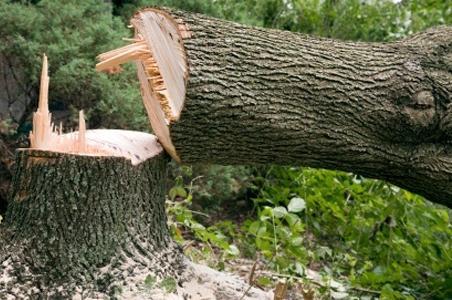
After a tree is removed, many property owners assume the remaining stump is harmless. Since it no longer has branches or leaves, it may seem like little more than a cosmetic issue that can be dealt with later. However, leaving a stump in place for months or even years can create a variety of problems that affect your landscape, property safety, and future outdoor projects. As time passes, an old tree stump begins to break down naturally. While decomposition is part of nature, it often attracts unwanted pests, encourages fungal growth, creates obstacles throughout the yard, and limits how you can use your outdoor space. Ignoring the stump today can result in more expensive maintenance and repairs down the road. Reliable tree care goes beyond removing a hazardous tree. The experienced team at Ace Tree Service helps property owners throughout Fort Worth & Dallas complete the entire process so their landscapes remain clean, safe, and ready for future improvements. Why Leaving A Tree Stump Can Create Bigger Problems Although a stump may seem stable after a tree is cut down, it continues changing beneath the surface. Roots slowly decay, moisture collects around the remaining wood, and the surrounding soil can become more susceptible to insects and disease. Many homeowners postpone stump removal because the stump appears harmless during the first few weeks. Unfortunately, most of the problems develop gradually, making them easier to overlook until they become much larger concerns. Tree Stumps Continue To Decay Even after the tree has been removed, the remaining stump does not stop aging. Rain, changing temperatures, and microorganisms slowly break down the wood. As decomposition continues, the stump becomes softer and less stable. Pieces may begin separating from the surface while underground roots weaken over time. This natural process creates conditions that attract insects and fungi while reducing the overall appearance of your landscape. Your Yard Begins Losing Valuable Space Every stump occupies space that could otherwise improve the appearance and functionality of your property. Whether you hope to expand your lawn, install new landscaping, build a patio, or simply enjoy an open yard, the remaining stump often becomes a permanent obstacle until it is professionally removed. Small Problems Often Become Larger Ones A freshly cut stump rarely causes immediate concern. However, years of weather exposure increase the chances of additional issues such as insect activity, root decay, and unwanted vegetation. Addressing the stump early usually prevents these complications from spreading throughout the landscape. Tree Stumps Can Attract Unwanted Pests One of the most overlooked consequences of leaving a stump behind is its ability to attract insects looking for moisture and decaying wood. As the stump softens, it creates an ideal environment for many common pests. These insects may remain inside the stump initially, but some eventually spread to nearby trees, shrubs, or even structures located close to the affected area. Decaying Wood Appeals To Insects Rotting wood provides food and shelter for numerous insects. Depending on local conditions, tree stumps may attract: Once insect populations increase, controlling them becomes more difficult than removing the stump before infestation begins. Nearby Trees May Also Be Affected Some insects use old stumps as breeding sites before moving to nearby healthy trees. This increases the likelihood of additional tree health issues throughout your landscape, especially if mature trees are located close to the decaying stump. Moisture Creates Ideal Conditions Old stumps naturally retain moisture during the decomposition process. Combined with shaded areas, this damp environment becomes increasingly attractive for insects that thrive in wet wood. Choosing professional stump grinding removes the visible stump while helping eliminate one of the primary environments where these pests commonly develop. Old Tree Stumps Encourage Fungal Growth A decaying stump does not simply disappear into the ground. As moisture becomes trapped inside the remaining wood, fungi begin breaking down the organic material. While this process is natural, it can introduce new concerns for property owners who want to maintain a healthy landscape. Different types of mushrooms and fungi may begin appearing on or around the stump. Some are harmless, while others can indicate advanced decay or create conditions that are less desirable for surrounding vegetation. Fungi Thrive In Decaying Wood Dead wood serves as an excellent food source for many fungal organisms. Over time, you may notice: Although these signs are common during decomposition, they also indicate that the stump is continuing to deteriorate. Decay Can Spread To Nearby Roots Depending on the species of tree and surrounding conditions, fungal organisms may spread through underground root systems. If nearby trees are connected through root contact or are already stressed by environmental conditions, they could become more vulnerable to disease over time. Healthy Landscapes Require Ongoing Maintenance Keeping your property free from unnecessary sources of decay helps promote healthier growing conditions for nearby trees, shrubs, and lawns. Learning more about why homeowners work with Ace Tree Service can help you understand the value of complete tree care rather than stopping after the tree itself has been removed. Tree Stumps Become Safety Hazards One of the most immediate concerns with an old tree stump is the safety risk it creates. Unlike living trees, a stump sits low to the ground where it is often overlooked by family members and visitors. As grass grows around it or leaves collect during the fall, the stump becomes even harder to see. Trip Hazards Around The Yard Tree stumps frequently create uneven walking surfaces. People carrying equipment, playing outdoors, or walking across the yard may not notice the remaining stump until it is too late. This concern becomes even greater during: Lawn Equipment Can Be Damaged Hidden stumps often interfere with routine lawn maintenance. Contact with lawn mowers, riding mowers, or landscaping equipment can result in: Removing the stump eliminates these obstacles and allows lawn care to become much easier. Children And Pets Face Additional Risks Children naturally enjoy running throughout the yard, while pets often explore every corner of the property. An exposed stump increases the

Tree Tips

Tree Removal Permits in Fort Worth, Dallas, WA: When You Need One and How the Process Works

Tree Removal Permits in Fort Worth: When You Need One and How the Process Works If you are planning tree removal in Fort Worth, Dallas, WA, you may need a city permit before a single branch comes down. This guide explains common triggers, the steps involved, and how Ace Tree Service LLC helps homeowners move from worry to action with safe, compliant tree removal. What Triggers a Tree Removal Permit in Fort Worth, Dallas, WA Many cities in North Texas use similar criteria to decide when a permit is required. Fort Worth typically looks at where the tree stands, the size and species, and the reason for removal. Trees near streams, wetlands, steep slopes, or greenbelts often face extra review due to environmental protections. Large, mature, or distinctive specimens may be considered protected based on size or character. Multi‑lot developments, townhomes, and multifamily properties usually have closer oversight than single‑family lots. Construction plans such as additions, new driveways, or utilities can trigger review of nearby trees. Trees that present an immediate hazard still require documentation so the city can verify the condition. Never start work until your permit is approved. Even well‑intentioned removals can lead to stop‑work orders or fines when paperwork is skipped. After fall windstorms and long winter rains, Fort Worth soils can stay saturated and roots lose grip. If a tree starts leaning or sheds large limbs, document the damage and contact a pro right away so any permit request includes clear evidence of risk. How the Permit Process Works From Start to Finish 1) Site Review And Arborist Assessment A certified arborist visits your property to identify tree species, condition, lean, target area, and site constraints like slopes or drainage. You will discuss your goals and any HOA requirements. 2) Document Preparation Your arborist prepares a basic map or photo set, notes the tree’s condition, and outlines why removal is being requested. If the tree can be pruned or preserved, that option is noted as well. 3) City Submittal Applications usually include a form, a description of work, and supporting documentation. Review times vary by season and city workload. When storms roll through the Eastside, expect slower approvals. 4) Conditions And Approval Permits may include conditions such as debris containment, fencing to protect nearby roots, or replacement planting after removal. Do not remove a tree in a critical area without written clearance. 5) Scheduling And Safe Execution Once approved, work is scheduled to avoid peak traffic and to protect landscaping and structures. Crews use rigging, mats, and controlled lowering so your yard stays intact. Protected Trees And Critical Areas Most cities identify certain trees as protected because of size, species, or location. In Fort Worth, Dallas, trees near wetlands, streams, and steep slopes are commonly subject to extra rules designed to prevent erosion and protect habitat. Protected status does not mean you are stuck. It means the city will look closely at the tree’s condition and the site. If the tree is diseased, storm‑damaged, or causing documented risk, removal can still be approved with proper evidence and mitigation. Your arborist helps you gather what reviewers need: clear photos, notes on target areas like roofs or play spaces, and a plan to protect nearby roots and soil. Where replacement planting is required, native species that fit Fort Worth’s climate are typically recommended. How HOA Rules Fit Into Your Plans Homeowners associations often set standards for curb appeal and neighborhood canopy. Their rules may require written approval before you file with the city, or they may ask for specific replacement trees or screening plans. HOAs can be stricter than the city, so check your CC&Rs and recent board decisions. A simple email to your manager with photos, a short explanation, and an arborist note usually speeds things up. Confirm whether HOA approval is needed before or after the city submittal. Ask if replacement trees must match species, size, or height. Keep neighbors informed to reduce concerns about noise and access. Seasonal And Neighborhood Factors In Fort Worth The Eastside sees heavy winter wind, spring rain, and the occasional summer drought. Those swings are tough on Douglas firs, cedars, and maples that are already stressed or poorly rooted. Neighborhood terrain also matters. West Fort Worth and Somerset have slopes that demand careful rigging and erosion control. Lake Hills, Crossroads, and Wilburton include pockets of saturated soils after long rains, while Bridle Trails has many mature conifers near equestrian areas that require extra planning for access and safety. If you live next to a greenbelt, stream corridor, or stormwater facility, expect added review to protect water quality and slope stability. That usually means more documentation and sometimes replacement planting to maintain canopy. When you are researching options, you can explore our approach to safe, efficient tree removal so you know what to expect on work day and how we protect your property from start to finish. What Your Arborist Handles For You Permits can feel complex, but the right partner removes the guesswork. Here is what Ace Tree Service LLC typically manages on your behalf: Site evaluation and written assessment that explains condition, risk, and alternatives. Photos, simple maps, and neighbor notifications when requested by your HOA or the city. Submittal of application materials and responses to common reviewer questions. Tree protection plans for nearby roots and structures during removal. Replacement tree suggestions that fit Fort Worth soils and yard size. If you need a broader overview of services we provide locally, you can start with tree removal in Fort Worth, Dallas, WA and then talk with our team about next steps tailored to your property. Documentation That Strengthens Your Application Clear, simple evidence helps reviewers make fast decisions. You do not need a complex report for most residential removals, but you do need to show why removal is reasonable and what steps will protect the site. Gather the following before you submit: Photos that show the whole tree, any cracks or decay, and what the tree could strike

Tree Tips

Fort Worth Tree Removal Cost Guide 2026 | Factors, Timelines, and Estimates

Fort Worth Tree Removal Cost Guide: What Homeowners Should Expect in 2026 Planning a project and wondering about Fort Worth tree removal cost in 2026? This guide explains the biggest factors that shape pricing in our area so you can compare estimates with confidence. If you’re starting to gather quotes, it helps to see how a local pro approaches tree removal in Fort Worth, Dallas, WA and what typically goes into a safe, efficient job. Every property is different. Steep slopes in Lakemont, tight driveways in West Fort Worth, and big evergreens in Somerset create very different plans. Rather than focusing on flat prices, use the sections below to understand how scope, access, and risk influence the final number you’ll see on a written estimate. What Drives Tree Removal Pricing in Fort Worth, Dallas, WA Tree removal pricing Fort Worth & Dallas property owners receive will reflect real site conditions. Crews build a plan around safety, efficiency, and protecting your property. Here are the main drivers your estimator will consider during a walkthrough. Tree size and structure: Height, trunk diameter, branching pattern, and lean affect how much rigging and labor are required. Access and protection: Fences, narrow gates, retaining walls, and landscaping mats can change equipment choices and setup time. Risk and targets: Nearby roofs, glass, play areas, and parked cars raise the care level needed for controlled lowering. Species and condition: Dense wood, brittle limbs, storm damage, or cavities change how crews cut and lower each piece. Location on the lot: Backyards with limited machine access may require more climbing and smaller pieces. Cleanup scope: Chipping brush, hauling wood, and final raking all affect crew time. Timeline and weather: Emergency work after wind events or heavy rain often requires more planning and resources. In neighborhoods like Bridle Trails, Lake Hills, and Crossroads, mature Douglas-fir and western red cedar are common. Their height and weight require careful dismantling. On hillsides near Cougar Mountain or Newport, crews may stage on the street and use extra turf protection to avoid ruts. How Seasons And Neighborhoods Affect Your Timeline Fort Worth’s rainy season typically brings saturated soils and more downed limbs. Winter wind and early spring gusts can push older evergreens past their limits, especially on exposed lots in Factoria or along ridgelines in Somerset. That changes scheduling, crew size, and equipment planning. During long dry stretches in late summer, access can be easier, but fire safety protocols and neighborhood quiet hours still guide when the work happens. Communicating HOA rules in places like Medina or Clyde Hill helps prevent delays and keeps everything neighbor-friendly. Estimating The Scope: A Simple Checklist For Homeowners Before you request quotes, gather a few details. Sharing this information helps estimators produce a clear, apples-to-apples proposal and speeds up scheduling. Confirm which tree or trees are included and whether you want the wood removed or left in rounds. Note tight gates, steep paths, pets, irrigation heads, or fragile surfaces that need protection. Point out nearby lines, sheds, play sets, or garden beds that matter to you. Share any prior arborist notes or concerns about decay, root issues, or recent storm damage. Decide if you want stump grinding now or prefer to handle it later. Clarify preferred work windows to respect school pickups, naps, or HOA quiet times. For a deeper look at process and expectations, read this local guide on what homeowners need to know about the steps a professional crew follows from setup to cleanup. Common Add-Ons That Influence Your Final Price The estimate line items you approve will shape the total. Not all projects require these, but they are common in Fort Worth, Dallas, especially with larger evergreens and tight-access backyards. Stump options: Grinding is the most popular way to reclaim space for lawn or planting. Full removal is more invasive and is usually reserved for specific regrading or construction plans. Wood handling: You can ask to keep select rounds for firewood, have logs hauled away, or request brush chipping with chips left on-site. Each choice changes disposal time and dump runs. Special equipment: Cranes or loaders may be used for tall conifers, limited drop zones, or to reduce rigging over roofs. Traffic control may be needed on busier streets in West Fort Worth. Site protection and cleanup: Ground protection mats, plywood for corners, and extra raking on needle-heavy sites are common quality touches that add time but protect your yard. Permits, Utilities, And HOAs In 2026 Rules vary by city, tree size, and location. In some cases, permits or notifications may be required, particularly for certain trees or sites near sensitive areas. The safest approach is to check current requirements with your city before scheduling, and share any guidance you receive with your estimator. Always verify that your contractor is licensed, bonded, and insured. Ask how they coordinate with utility providers when lines are nearby, and confirm that crews follow safe approach distances. If you live in a community with an HOA, review work hours, parking, and access rules to avoid last-minute rescheduling. How Professionals Build A Transparent Estimate Reliable companies in Fort Worth & Dallas follow a consistent process so there are no surprises. A good estimator will walk the site with you, discuss goals, and map a safe plan for dismantling, lowering, and debris handling. What you should see in writing: Scope: Which tree or trees are included, how debris will be handled, and whether stump work is part of the job. Method: Climbing, rigging, potential crane use, and ground protection plans. Safety: Traffic cones, barricades, and utility coordination if needed. Schedule: A reasonable timeframe with weather contingencies noted. Local insight: Winter wind season can compress schedules across Fort Worth. Booking an on-site estimate before the next storm cycle helps you choose a date that fits your calendar and reduces the chance of emergency timing. Hidden decay or root damage can change a job plan on site. Reputable crews will pause, explain options, and adjust the plan to keep people and property

Tree Tips

Tree Removal Services in Fort Worth, Dallas, WA: What Homeowners Need to Know | Fort Worth Tree Service

Tree Removal Services in Fort Worth, Dallas, WA: What Homeowners Need to Know  If you own a home in Fort Worth, Dallas, you will likely need tree removal at some point. Storms roll in, soils get saturated, and mature evergreens can outgrow tight lots. This guide explains when removal is the right call, how pros handle it, and what affects timing here in Fort Worth, Dallas, WA. If you’re already weighing next steps, you can learn more about our tree removal service and what it includes. When Tree Removal Is the Right Call in Fort Worth Healthy trees add shade and value. Unstable trees add risk. In our area, shallow roots, heavy winter rain, and wind can push borderline trees past their limits. Consider removal when any of these red flags show up: Leaning that worsens after a storm or a new soil heave near the base Large dead branches over a driveway, roof, or play area Repeated limb failures from decay, cavities, or root problems Tree crowding a foundation, sewer lateral, or retaining wall Sunlight is blocked for gardens or solar panels even after proper trimming In neighborhoods like Bridle Trails, Somerset, and Lake Hills, older Douglas-fir, western red cedar, and bigleaf maple are common. These trees are beautiful, but size and proximity to structures can raise stakes. When in doubt, have a qualified pro assess the structure, roots, and targets around the tree. Local tip: Winter wind season typically runs late fall through early spring. Saturated soil plus wind can stress older evergreens. Booking an evaluation before the next storm helps you avoid emergency situations and schedule on your terms. How Professional Crews Remove a Tree Safely Every site is different, but safety never changes. A trained crew builds a plan around your tree’s size, lean, defects, and what’s below. Here’s how a typical removal comes together: Site Planning and Protection Before any cut, the team marks drop zones, verifies exits, and protects lawn and hardscapes with mats. If a crane is needed for tight spots in West Fort Worth or Newport, they plan access and setup with neighbors in mind. Rigging and Controlled Dismantling Using ropes, friction devices, and pulleys, climbers lower branches in small, controlled pieces. This keeps force off your roof, fence, and plantings. Trunk sections follow the same process, working down in safe, measured steps. Cleanup and Haul-Off Brush and wood go to the chipper. The crew rakes and blows the area clean. If a storm caused the damage, teams may coordinate timing with storm and disaster response scheduling so your driveway and walkways are clear fast. What You Can Expect Before, During, and After A smooth job comes from good communication. Here’s what that looks like with a reputable Fort Worth crew: Before: A walk-through to confirm the plan, access points, and what stays or goes. You’ll get timing windows based on weather and neighborhood access. During: Equipment arrives, and ground protection goes down. Expect some noise from saws and chippers within normal daytime hours. After: Debris is hauled, and the site is tidied. You decide whether to leave wood, cut rounds, or have it removed. If you want to replant or reclaim the space, ask about stump options. Grinding is the most common next step because it is less invasive and makes yard restoration easier. For full details on the service scope, see how our team handles tree removal from start to finish. Fort Worth Factors That Affect Timeline and Complexity Conditions on the Eastside can change fast, which affects scheduling and the method used on removal day: Weather and Soil Heavy fall rain saturates glacial soils in places like Newport Hills, Cougar Mountain, and Factoria. Crews may use ground mats and lighter equipment to protect turf, or shift dates to avoid rutting when possible. Access and Tight Lots Older lots in Medina or Clyde Hill may have limited access between homes, hedges, and hardscapes. This often means more rigging, smaller cuts, and extra time to protect surrounding features. Tree Size and Species Large conifers like mature Douglas-fir require more setup, rigging, and specialized gear. Broadleaf trees with decay pockets may call for cranes to limit shock loads and control the dismantling. Permits, Utilities, and Neighbor Considerations Tree work touches more than the tree. Here are key items to keep in mind: Permits: Rules can vary by city, tree size, species, and location. In Fort Worth, Dallas, permits are sometimes required, especially for certain trees or trees near sensitive areas. The safest move is to check with the city about current requirements before scheduling. A professional tree service can help you understand the next steps and coordinate timing. Utilities: If lines are nearby, a removal plan will factor in minimum approach distances and coordination with local utility providers as needed. Don’t assume a line is safe because it is insulated. Treat all overhead lines as energized. Neighbors and HOAs: Let neighbors know the work window so they can plan parking and pet access. If you’re in an HOA, review guidelines for work hours and access, especially on shared drives. Removal, Trimming, or Just Stump Grinding? Not every problem tree needs to go. Sometimes a well-timed trim reduces risk and improves light. Other times, the trunk or root issues are too advanced for pruning to help. If the tree is already down or must come out, you still have a choice about the stump. Many Fort Worth & Dallas property owners choose stump grinding to reclaim their lawn or create a planting bed. Simple Ways to Decide Use this quick guide to frame the conversation with your arborist: Choose trimming if the tree is healthy, conflicts are minor, and the structure is sound. Choose removal when defects, lean, or site conflicts keep stacking up. Choose stump grinding if you want the area leveled and ready for grass or planting. Important: Avoid topping or heavy, non-standard cuts. These create hazards and rarely solve the real problem. A sound plan protects people first and

Tree Tips

Preventing Tree Hazards Before They Become Emergencies | Fort Worth Tree Service

Preventing Tree Hazards Before They Become Emergencies Trees add beauty, shade, and value to any property. But when they become overgrown, diseased, or structurally unstable, they can pose serious risks to people and property alike. That’s why identifying potential hazards before they become emergencies is essential. At Ace Tree Service LLC, we prioritize proactive care through expert tree trimming and safe tree removal services throughout Fort Worth & Dallas. Early Warning Signs of Tree Danger Not all tree hazards are obvious at first glance. Cracks in the trunk, leaning posture, hollow sections, or dead branches high in the canopy are subtle signs that a tree may be at risk of falling. Fungal growth near the base or root flare, peeling bark, and a thinning canopy can also indicate underlying decay or disease. Ignoring these signs may lead to downed branches, structural damage to homes, power outages, or personal injury during storms or high winds. By scheduling routine inspections with a premium Fort Worth tree service company, you’re making a wise investment in the safety and longevity of your landscape.  The Role of Professional Tree Trimming Regular tree trimming is one of the most effective ways to keep trees healthy and safe. Removing weak, diseased, or overextended limbs helps reduce wind resistance, prevents property damage, and allows for better sunlight penetration and air circulation. This maintenance also encourages strong branch structure and healthy growth patterns—ensuring your trees not only survive but thrive. Beyond aesthetics, tree trimming plays a key role in minimizing hazards. Overgrown limbs that encroach on rooftops, power lines, or neighboring properties should be addressed promptly. A skilled arborist knows how to trim for health and safety without compromising the tree’s natural beauty. When Tree Removal Becomes Necessary In some cases, tree trimming is no longer sufficient. Severely damaged, pest-ridden, or dying trees can present too great a risk to be left standing. Removing them may be the only option to protect nearby structures, utility lines, and people. A trusted professional will assess the tree’s condition, evaluate the surrounding area, and use safe, strategic methods for removal—whether it’s a tight urban space or a sprawling backyard. Choosing a premium Fort Worth & Dallas tree service company ensures you receive expert advice and flawless execution. Get in Touch With the Experts Don’t wait for a falling branch or a surprise windstorm to take action. If you suspect a tree on your property might be hazardous—or if it’s simply time for a checkup—get in touch with us at Ace Tree Service LLC. We provide comprehensive inspections, expert tree trimming, and efficient tree removal in Fort Worth & Dallas. Let us help you protect your home and restore peace of mind with safe, professional tree care. <!– If you’re looking for professional stump removal in the Dallas–Fort Worth area, please call 425-531-8031 or complete our online request form. –>

Tree Tips

4 Reasons To Remove The Stump Along With The Tree

4 Reasons To Remove The Stump Along With The Tree Anytime you have a specialist come out and remove a tree from your property, you’re going to have to decide if you want them to remove the stump as well. Stump removal generally adds a little bit to the price of a tree removal service, but it’s a service that is well worth the cost. Stumps that are left behind can cause a number of different problems around your property, and these issues usually only get worse over time. If you’re still on the fence about whether or not you want to make the investment to remove that old stump along with the tree, then this article is for you. In it, our team of tree service experts will highlight a few important factors that you should definitely weigh into your decision on whether or not to do so, and why having it removed can be such a benefit to your property. Aesthetically Unappealing Speaking from a purely aesthetic standpoint, tree stumps are not an appealing landscaping feature, especially if you’re one of the many homeowners out there who takes great pride in maintaining a beautiful landscape around your home. If you want to ensure that the curb appeal of your home stays high and that your landscaping remains beautiful, the best thing to do is have that stump removed along with the tree. Hazardous Believe it or not, stumps can actually be a bit of a safety hazard around your home as well, especially if you have small children. Stumps can make outdoor playtime a bit dangerous, as they tend to be a tripping hazard. This can be particularly troublesome if your child’s friends were to trip and hurt themselves, as it’s possible for you to be held liable for any injuries. Difficult To Maneuver If you have ever had to mow around an old tree stump, you know just how much of a nuisance they can be. Old tree stumps can make just about any landscaping task inconvenient, whether it’s mowing, weeding, or even new planting, and oftentimes, it’s well worth the additional cost to have the stump removed rather than deal with the inconvenience of working around it for years to come. Stumps Attract Insects When stumps are left in place on your lawn for any length of time, they will eventually start to rot, and it can be a very slow process. As it happens, the decaying tree can attract a number of pests, including beetles, termites, ants, and a number of other wood-boring pests. While it might not seem like they pose a big threat in your yard, many of these pests can actually find their way into your home without much trouble, and then you will have a much more serious problem on your hands. <!– If you’re looking for professional stump removal in the Dallas–Fort Worth area, please call 425-531-8031 or complete our online request form. –>

Tree Tips

Importance of Timely Stump Removal

Understanding the Importance of Timely Tree Removal It’s all but inevitable that all property owners will find themselves in need of a professional tree removal over time. That inevitability is due to the many common and largely uncontrollable factors that will work to wear down even the healthiest trees over time: Advanced age Termite infestation Fungal growth Wood rot Issues from erosion Reasons to remove a tree(s): Of course, after having an old tree removed from your Dallas–Fort Worth area home or business, it’s important that you invest in a stump removal ASAP. This is because stumps present a number of problems, just as an old tree does. Here’s a quick list of just some of the reasons why it’s important to have an old stump removed as soon as you’re able to do so: Aesthetic Appeal Appearances are important when it comes to your home. After all, poor appearances result in poor curb appeal—as well as reduced property value. Since many old stumps are far from beautiful, they can result in these issues. No worries, though: A stump removal will be just the thing to restore your home’s aesthetic appeal. Safety Your home should be the safest place for you and your loved ones, and that’s perhaps the most important reason to invest in timely stump removal. For one thing, stumps are a major tripping hazard that can badly harm playfully careless children. For another thing, decaying stumps tend to attract termites, which can work their way to your home and cause unsafe structural issues. Unwanted New Tree Growth Oftentimes, stumps are the result of your choice to have a tree professionally removed. Should you have had a tree removed because of its inconvenience or unsightly appearance, you’ll surely not want another one to grow in its place. To ensure a new tree doesn’t sprout over your old stump, have that stump removed before one begins to grow. Look to Our Dallas Team for all of Your Tree Service Needs Whether you’re in need of stump removal or any other tree-related work, you can count on our Dallas tree service professionals to get the job done right. Quality tree care is key to maintaining your home’s beauty and value—not to mention safety—and we’re confident that we’ll provide the highest-quality tree care around. Check out our customer reviews page to get a sense of the quality of workmanship and customer service that our valued clients have enjoyed over the years. You might also take some time to look through our latest projects gallery to see for yourself the stunning results we provide with every job we tackle. Contact us today to schedule a free consultation with one of our dependable team members. <!– If you are looking for a stump removal expert in Dallas, then please call 425-531-8031 or complete our online request form. –>

Tree Tips

5 Great Reasons You Need to Schedule Your Professional Tree Trimming – Now!

5 Great Reasons You Need to Schedule Your Professional Tree Trimming – Now! It’s not uncommon to need a professional tree removal service at some point. It’s actually one of the top things new homeowners end up needing when they’re buying a pre-owned home. However, what you’re definitely going to need during your time as a homeowner, is an expert to take care of trimming branches. If you have any trees on your property, and who doesn’t, you’ll need professional pruning service. You don’t have much control over the growth of your branches and so it’s critical that you keep a watchful eye and trim them back as needed. As beautiful as trees and the natural growing process is, there has to be some human intervention in order to prevent problems from developing. Why Exactly You’ll Need This Service The truth is, you’re going to be surprised at how much you’ll need professional tree service if you own the same property for any length of time. Healthy trees grow and you’re going to need someone around to take care of anything from trimming to removal to stump grinding. So why is that? Your Roof : The most important feature of your home is the roof because it safeguards your home from the elements. If you don’t trim back the branches, they pose a threat to your rooftop. Limbs can tear at shingles as they grow and the overhanging branches are a t risk of falling during any heavy storm activity. It’s just not worth the risk. Tree Health : Let’s not forget that an important part of taking good care of your trees if pruning. When trimmed properly, this actually helps to promote the health and growth of the tree. Cutting back the limbs, and getting rid of dead ones, encourages healthy root growth. Improve View : As beautiful as trees are, they can also get in the way of other stunning components of your view. For some homeowners, the only thing standing in the way of their gorgeous panorama is their own trees. With proper trimming by a trained professional, you can get the best of both worlds – beautiful trees and a view to go along with it. Natural Light : There’s just nothing that compares to the ability to have natural shade. It can make enjoying your yard or pool area more enjoyable, as well as help keep your cooling bills lower. On the flip side of that is that too much shade can be a bad thing. It can deplete your home of natural interior sunlight and make your swimming pool never able to get warm enough to be enjoyable without supplemental heat. Reduce Cleanup : Raking leaves or fishing them out of the pool isn/t how you probably want to spend your free time. Fail to take care of this level of tree maintenance and you/re going to be surprised at just how much cleanup leaves and twigs will create. Contact Ace Tree Service LLC for the best Dallas–Fort Worth tree trimming company around! <!– If you are looking for a tree trimming or removal expert in Dallas then please call 425-531-8031 or complete our online request form. –>

Tree Tips

How to Prepare and Repair Your Trees After a Storm

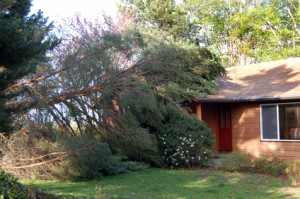
How to Prepare and Repair Your Trees After a Storm Dallas–Fort Worth property owners are happy to have trees and other vegetation on their property until disaster strikes. Damage is a possibility regardless of the health of your trees, so establishing a relationship with a reputable emergency storm service. After a major storm occurs, homeowners must deal with cleanup that includes debris clearing, yard cleaning, and tree removal. These tasks present a high level of risk, and the potential for bodily injury and additional property damage is fairly high. Therefore, homeowners are urged to reach out to lawn care professionals who have the appropriate training and equipment to handle such an extensive cleanup endeavor. Preparing for a Storm Examine trees for potential hazards such as decay, leaning, and cracking. Prune branches, and remove damaged limbs. Contact a tree service contractor to assess and remove limbs near utility lines. Have a tree service company in mind so that you can request assistance quickly after a severe storm. Recovering After a Storm Look out for hanging branches and broken limbs. Stay away from trees leaning against or fallen next to power lines. Inspect trees for damaged limbs, trunks, and crowns. Hire a tree service contractor to restore trees. Don’t attempt to tackle storm recovery tasks alone if you don’t have lawn care experience. Storms can use trees as a tool for destruction, and strong winds can cause tree limbs to puncture roofs and windows, resulting in water damage. Whether your Dallas lawn experiences minor damage or complete devastation as a result of a storm, don’t rush to clean up the mess. The restoration effort presents serious hazards, so it’s always best to seek help from an experienced tree service company like Ace Tree Service LLC after a storm. <!– If you are looking for a tree trimming or removal expert in the greater Dallas–Fort Worth area then please call 425-531-8031 or complete our online request form. –>

Get In Touch

Protect Your Property With Professional Tree Services

Request A Free Estimate From A Trusted Fort Worth & Dallas Tree Service Company

Tell us about your trees — we’ll come out, assess the work, and give you an honest, no-pressure quote.

Call us

425-531-8031

Email

acetreesvc@gmail.com

Service Area

Fort Worth, Dallas & surrounding areas

Hours

Open 24 Hours

Fast Response

Request Your Free Quote

We’ll reply within the hour during business hours.
No obligation · Free on-site estimate
Scroll to Top